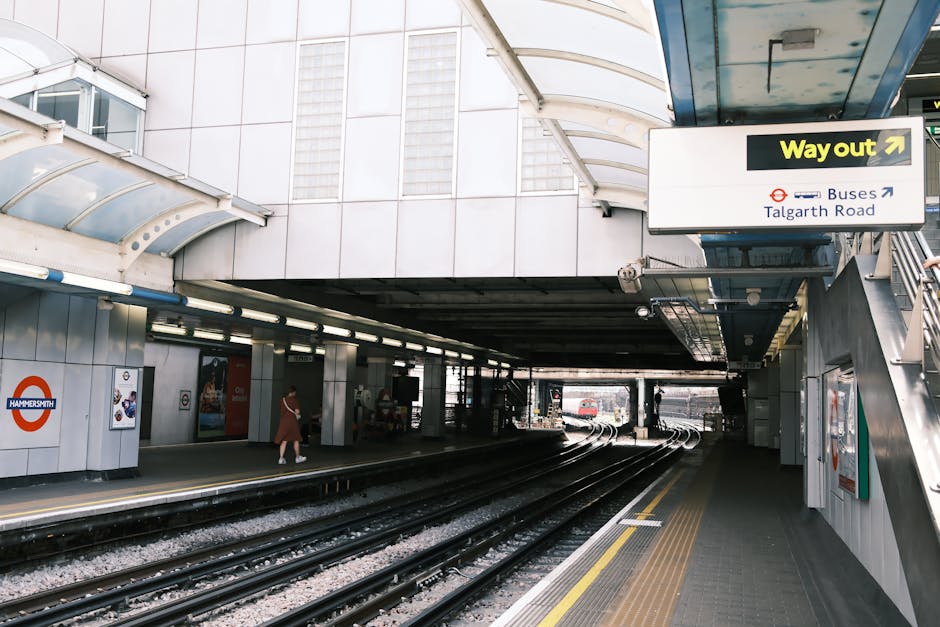
Hammersmith and Fulham council permit guide for removals
If you are planning a house move, office relocation, or bulky furniture delivery in West London, the paperwork around parking can feel like the annoying bit nobody talks about until the van is already outside. This Hammersmith and Fulham council permit guide for removals is here to make that part simpler. It explains what the permit is, why it matters, how the process usually works, and where people go wrong when they leave it too late.
Truth be told, removals are stressful enough without adding a parking ticket, a blocked bay, or a van circling the street while everyone stands on the pavement pretending to be calm. In a busy borough like Hammersmith and Fulham, a little planning goes a long way. Below, you will find a practical, human guide that helps you move with fewer surprises and a lot less faff.
Table of Contents
- Why Hammersmith and Fulham council permit guide for removals Matters
- How Hammersmith and Fulham council permit guide for removals Works
- Key Benefits and Practical Advantages
- Who This Is For and When It Makes Sense
- Step-by-Step Guidance
- Expert Tips for Better Results
- Common Mistakes to Avoid
- Tools, Resources and Recommendations
- Law, Compliance, Standards, or Best Practice
- Options, Methods, or Comparison Table
- Case Study or Real-World Example
- Practical Checklist
- Conclusion
- Frequently Asked Questions
Why Hammersmith and Fulham council permit guide for removals Matters
Parking in Hammersmith and Fulham is not forgiving. Streets can be tight, bays fill up fast, and even a perfectly timed move can unravel if the vehicle cannot stop where it needs to. A removals permit, bay suspension, or similar parking arrangement helps create space for the van and reduces the risk of fines or delays.
That matters for more than convenience. It affects loading times, labour costs, customer stress, and sometimes the safety of the move itself. If a removals team has to carry heavy furniture a long way because they cannot park near the property, the job becomes slower and more physically demanding. Nobody wants a sofa wedged halfway down a narrow terrace at 8:15 in the morning while the kettle is still cold.
There is also the local reality of shared streets, residents' parking zones, and delivery pressure from other road users. In practical terms, a parking plan is part of the move plan. Not an extra. Not a maybe. Part of it.
Practical takeaway: if your removals vehicle needs to stop on-street in Hammersmith and Fulham, sort the parking side early. It usually saves time, money, and a surprising amount of stress on moving day.
How Hammersmith and Fulham council permit guide for removals Works
The exact process can vary depending on the street, the type of vehicle, and whether you need a suspension, dispensation, or another parking arrangement. In simple terms, the council wants to know where the vehicle will be, for how long, and what space needs to be reserved.
For removals, people usually need one of three things:
- A bay suspension if a parking bay must be kept clear for the van.
- A loading dispensation if short-term stopping is needed for loading or unloading where permitted.
- Special parking permission or advice if the location has unusual restrictions, tight access, or double-yellow-line issues.
Let's face it: the names can be a bit jargon-heavy. But the basic idea is straightforward. You are asking for temporary permission or controlled space so a removals vehicle can operate legally and safely.
Some moves are simple. Others need a bit more coordination, especially if there is only one access point, if the property is on a busy road, or if the van is large. In those cases, the permit decision can affect the whole timetable. If the parking arrangement falls through, the movers may have to wait, split the load, or work from a more distant spot. That is where hidden time costs creep in.
If your move involves multiple vehicles, ask early whether each one needs separate consideration. Small detail, big difference.
Key Benefits and Practical Advantages
Getting the parking side right does more than keep everyone legal. It can genuinely improve the move experience from start to finish.
- Less risk of fines: no one wants a parking penalty turning up after an expensive moving day.
- Better access: the van can get closer to the property, which means shorter carrying distances.
- Faster loading and unloading: this is especially useful for flats, upper floors, and properties with awkward entrances.
- Reduced disruption: fewer arguments with neighbours, less street congestion, and a smoother process overall.
- Better planning: when the parking arrangement is sorted, the rest of the move tends to feel more under control.
There is also a quieter benefit that people often overlook: confidence. Once the parking piece is handled, you can focus on packing, keys, fragile items, and all the other moving-day gremlins. That feeling counts. In our experience, it makes the whole day feel less like a scramble and more like a plan.
If you are coordinating a larger move, this can also help with staffing. Movers know where to park, where to carry from, and how much time they have. Clear information prevents those awkward last-minute calls when somebody is standing at the kerb wondering what to do next.
Who This Is For and When It Makes Sense
This guide is useful for anyone moving in or out of the borough, but it is especially relevant if your property is on a narrow residential street, in a controlled parking zone, or near a busy high road. If the removals vehicle cannot simply park off-street on a drive or in a private forecourt, you should think about council parking arrangements early.
You may need this if you are:
- moving home from a flat, maisonette, or terraced property
- relocating a small office or studio
- delivering bulky furniture that needs roadside access
- handling a probate clearance, downsizing move, or storage transfer
- organising a move where the road space is limited and timing matters
It also makes sense if you are coordinating with professionals rather than doing everything yourself. A removals team may know the general process, but the person arranging the move still needs to confirm the details. Otherwise the van arrives, the clock starts, and suddenly everyone is making decisions in real time. Not ideal.
For landlords, letting agents, and property managers, this is equally important. If you are arranging a tenant move-out or a quick turnaround between occupiers, parking arrangements can be the difference between a tidy handover and an unnecessarily messy one.
Step-by-Step Guidance
Here is a sensible way to approach the process without overcomplicating it.
1. Check the property and street conditions
Look at the road, bay markings, nearby restrictions, and where the removals vehicle would realistically stand. Ask yourself a few honest questions: can a van fit safely, will it block traffic, and is there any off-street alternative? If you are unsure, walk outside at the same time of day as the move. Morning light, traffic noise, buses turning the corner - it all paints a more realistic picture than a quick glance from the window.
2. Identify the type of parking help needed
Decide whether you need a bay suspension, short-term loading permission, or another arrangement. If there is a marked bay outside your home, that is often the first thing to investigate. If the street has very limited stopping space, you may need a different approach. The right choice depends on the location, not just the move itself.
3. Gather the practical details
Have the basics ready: date, times, address, vehicle size if known, and a rough idea of how long the removals team will need. If there are special considerations - for example, a narrow road, a basement flat, or a lift that is out of action - include those too. Small details can matter more than people expect.
4. Apply or arrange the permission in good time
Do not leave this to the evening before. Council processes can take time, and busy periods tend to be less forgiving. If your move date is fixed, work backwards from it and give yourself a buffer. A buffer sounds boring. It is not boring on moving day.
5. Confirm the instructions with your removals team
Once you have the parking arrangement, pass the details to the movers clearly. Tell them where to park, what time access starts, and any restrictions they should know about. If the team has experience in London removals, they will usually appreciate clear instructions rather than a long, vague message with five different possible parking spots.
6. Recheck the street the day before
Traffic cones, roadworks, suspended bays, or a neighbour's delivery van can change the picture overnight. A quick recheck the day before helps catch surprises early. It only takes a few minutes, and yes, it can save a lot of grief.
7. Keep the paperwork or confirmation handy
If you have a permit reference, written approval, or booking confirmation, keep it accessible on the day. A printed copy can be useful, although many people now keep everything on a phone. Either way, make it easy to find.
This step-by-step approach sounds simple because it is. The hard part is usually just remembering to do it early.
Expert Tips for Better Results
After enough moves, you start to notice the same patterns. The people who have the smoothest day tend to be the ones who prepare the boring bits well. Here are a few practical tips that make a real difference.
- Build in extra time: parking, access, and building entry often take longer than expected.
- Measure the vehicle access if needed: if the street is tight, know whether the van can safely reach the front of the property.
- Warn neighbours where appropriate: a bit of notice can reduce complaints and awkward exchanges on the pavement.
- Match the van size to the street: a larger vehicle is not always better if access is poor.
- Keep key items separate: passports, documents, chargers, and essentials should not disappear into the back of the van.
- Have a fallback plan: if the chosen space is unavailable, know the next best option.
One small but very useful habit: take a photo of the parking location and street layout a day or two before the move. It helps everyone visualise the setup, especially if the movers have not seen the property before. Simple, almost silly. But effective.
If you are moving in winter or during peak commuter hours, allow for slower progress and reduced visibility. Rain, low light, and busier roads can make even a short move feel more complicated than it should. That is just London, really.
Common Mistakes to Avoid
Most problems come from rushing or assuming the parking situation will "sort itself out." It rarely does.
- Leaving the permit too late: this is the most common issue by far.
- Assuming loading is always allowed: restrictions vary, and not every street works the same way.
- Not checking bay markings carefully: a space that looks usable may not be suitable for the time you need.
- Forgetting to tell the movers: the arrangement only helps if the team knows about it.
- Choosing the wrong vehicle size: too large can cause access problems; too small may mean extra trips.
- Ignoring neighbours and traffic flow: a blocked road can lead to complaints or delays.
Another one people miss: not checking whether there are other restrictions nearby, such as suspended bays, event traffic, or local roadworks. A permit is useful, but it does not override everything. That distinction matters.
And yes, sometimes people forget the obvious thing: the keys. It happens more often than anyone wants to admit.
Tools, Resources and Recommendations
You do not need a complicated toolkit, but a few practical items make the process smoother.
- Phone notes or checklist app: for timings, permit reference, and contact details.
- Printed confirmation: useful if signal is poor or batteries run low.
- Measuring tape: handy for checking furniture or hallway widths before the move.
- Photos of access points: useful for the removals team and for planning parking layout.
- Labels and packing markers: not directly related to the permit, but absolutely part of keeping the day under control.
If you are using a professional removals company, ask them how they usually handle London parking. Experienced teams often know what questions to ask and what details matter most. That does not remove your responsibility, but it can make the process easier. A good team will talk plainly, not in riddles.
For people moving themselves, a simple timeline is often the best resource of all. Write down what needs doing one week before, the day before, and on the morning of the move. Keep it short and realistic. Nobody needs a ten-page relocation manifesto.
Law, Compliance, Standards, or Best Practice
Parking and removals in London are shaped by local restrictions, road markings, and the rules that apply to the street on the day. While the exact arrangement depends on the location, the safest approach is always to follow the published local process and avoid making assumptions.
In practical terms, that means:
- checking whether the road has restrictions that affect loading or parking
- seeking permission where a bay suspension or special arrangement is needed
- making sure any vehicle stop is lawful and does not create a hazard
- respecting time windows, permit conditions, and any signposted limitations
There is also a basic best-practice standard that applies whether you are moving a one-bed flat or a full family house: communicate clearly, apply early, and keep records. If something changes, update the removals team and any other relevant party straight away.
Where safety is concerned, do not try to force a van into a space that clearly does not work. A minor delay is better than a damaged vehicle, a blocked pavement, or an unsafe lift of heavy items across traffic. Common sense, yes - but easy to lose when the clock is ticking.
Options, Methods, or Comparison Table
Depending on the property and the move, there are several ways to handle access. Here is a simple comparison to help you think it through.
| Option | Best for | Pros | Watch-outs |
|---|---|---|---|
| Bay suspension | Streets with marked parking bays directly outside the property | Creates a clear space for the removals vehicle | Needs advance arrangement and may not suit every road |
| Loading dispensation | Short loading or unloading where stopping is allowed under the conditions | Can be flexible for quick access | Usually time-sensitive and location-dependent |
| Off-street parking | Properties with drives, forecourts, or private access | Often the simplest option | Not available to everyone, and may still need careful planning |
| Remote parking plus carry | Where the van cannot get close to the property | Sometimes unavoidable | Slower, harder work, and more chance of delays |
If you have a choice, the best option is usually the one that gives the team safe, direct access without overcomplicating the day. That said, each street has its own personality. Some are straightforward, others are a bit stubborn.
Case Study or Real-World Example
Imagine a family moving from a second-floor flat near a busy residential street. The removals vehicle cannot fit on the driveway because there is none, and the nearest legal space is usually taken by early morning. Without a parking arrangement, the team would need to park further away and carry boxes down a stairwell, across a pavement, and around a few parked cars.
Now compare that with a properly planned move. The parking bay outside is reserved in advance, the movers are told the access time, and the family has boxed the essentials separately. On the day, the van parks near the entrance, the team works methodically, and the heavy lifting is reduced. The move is still tiring - let's not pretend otherwise - but it is organised and far less chaotic.
What changes most is not just speed. It is the whole atmosphere. People speak more calmly, there is less stopping and starting, and nobody spends the afternoon hunting for a plan B. That is the real value of getting the permit side right.
Practical Checklist
Use this checklist before moving day. A quick run-through can prevent the usual last-minute scramble.
- Confirm the moving date and access times
- Check whether the street has parking restrictions or bay markings
- Decide if you need a bay suspension, loading arrangement, or other permission
- Gather property details, vehicle information, and timing notes
- Arrange the parking permission early
- Share the details with your removals team
- Photograph the street and access point if useful
- Recheck for roadworks, suspended bays, or nearby changes the day before
- Prepare printed or digital confirmation for moving day
- Keep essentials separate from the main load
If you can tick most of these off, you are in good shape. Not perfect, maybe. But well prepared, which is what really counts.
Conclusion
A good move in Hammersmith and Fulham is rarely about luck. It is about planning the small things that make the day run properly, and parking is one of the biggest small things of all. If you understand how the council permit process fits into your removals plan, you give yourself a better chance of a calm, efficient move with fewer delays and fewer headaches.
The main lesson is simple: do not treat the parking arrangement as an afterthought. Build it into the move early, check the details carefully, and keep everyone informed. That is usually enough to turn a stressful day into one that feels manageable.
Get a free quote today and see how much you can save.
And if you are still in the planning stage, take a breath. One clear step at a time is usually enough. The rest tends to fall into place.
Frequently Asked Questions
Do I need a council permit for removals in Hammersmith and Fulham?
Not always, but you may need some form of parking permission if the removals vehicle must use a restricted bay, stop on-street, or reserve space near the property. The right answer depends on the street and the type of access needed.
What is the difference between a bay suspension and a loading dispensation?
A bay suspension reserves a marked parking space for a specific use, while a loading dispensation may allow temporary stopping for loading or unloading under certain conditions. They are different tools for different situations.
How far in advance should I arrange parking for my move?
As early as you can. Leaving it until the last minute is risky, especially in a busy borough. A little lead time helps avoid stress and gives you room to fix problems if anything changes.
Can a removals company arrange the permit for me?
Sometimes they can help, and some companies will handle parking arrangements as part of the service. Still, you should always confirm what they are responsible for and what information they need from you.
What happens if I do not get the right permission?
You may face parking enforcement issues, delays, or difficulty parking the removals vehicle close enough to the property. That can increase time, effort, and frustration on the day.
Is it better to use a smaller van if parking is tight?
Sometimes, yes. A smaller vehicle can be easier to park and manoeuvre in narrow streets. But it may mean more trips, so the best choice depends on the property, the volume of items, and the access available.
Do I need parking permission for a flat move?
Very often, yes, especially if the flat is on a street with limited parking or if the removals team needs to stop near the entrance. Flats often have tighter access than houses, so planning matters even more.
What details do I need when applying or arranging permission?
Usually you will need the address, moving date, likely times, vehicle information, and a clear description of the access needs. If the road is awkward or there are special circumstances, mention those too.
Can I just rely on loading at the roadside without a permit?
It is not wise to assume that. Some streets allow certain loading activity, but conditions vary. Always check the specific restrictions for the location instead of guessing.
What if the bay or space I planned to use is occupied on the day?
Have a backup plan. This might mean a second possible space, a nearby legal stopping point, or a short delay while the team repositions. A fallback option keeps the day moving.
Does a parking permit make the whole move legal automatically?
No. A permit or suspension only covers what it specifically allows. You still need to follow the conditions, park safely, and respect any other restrictions on the street.
What is the biggest mistake people make with removals parking?
The biggest mistake is leaving it too late and assuming the street will be fine on the day. That assumption causes more trouble than almost anything else. A little preparation goes a long way.