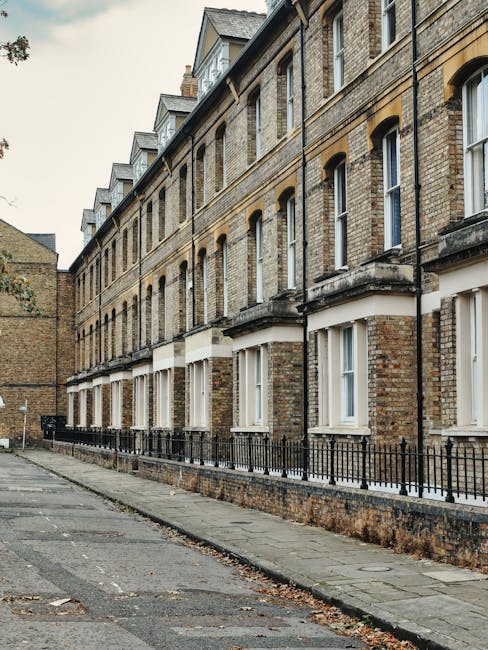
Hammersmith removals for King Street flats with tight access
Posted on 29/05/2026
Hammersmith removals for King Street flats with tight access: a practical guide that actually helps
Moving out of a flat on King Street sounds simple enough on paper. Then you remember the narrow stairwell, the awkward turn at the landing, the resident parking quirks, the lift that is either tiny or busy, and the fact that your sofa has somehow become three inches wider than the hallway. That is the reality of Hammersmith removals for King Street flats with tight access.
This guide is for anyone moving from, to, or around King Street in Hammersmith and trying to do it without scratches on the walls, stressed-out neighbours, or a van stuck in the wrong place at the wrong time. We'll walk through what tight-access removals involve, how they're planned, what makes them easier, and where people usually go wrong. If you are comparing service options, you may also find it useful to look at flat removals in Hammersmith, man and van support in Hammersmith, and the broader removal services available locally.
Truth be told, tight access moves are less about brute strength and more about planning. Good timing, the right vehicle, careful packing, and a crew that knows how to work in confined spaces. Get those pieces right and the day feels manageable. Miss them, and even a small flat move can become oddly exhausting.

Why Hammersmith removals for King Street flats with tight access matters
King Street sits in a busy part of Hammersmith, and that matters more than people expect. The road is active, the pavements can be busy, and many flats in the area sit above shops, within purpose-built blocks, or in converted buildings with staircases that were clearly designed by someone who never had to move a mattress up them.
With tight access, the move itself is only part of the challenge. The other part is everything around it: where the vehicle can stop, how long loading will take, whether items need to be carried around corners or up multiple flights, and whether you can protect shared spaces while doing it. That is why Hammersmith flat moves often need a more thoughtful setup than a standard house removal.
For many local residents, the problem is not volume. It is geometry. A small flat can still contain bulky furniture, awkward appliances, mirrors, boxed books, and the usual "how do we own this much stuff?" surprises. One chair looks innocent. Then it refuses to turn on the stairwell. Annoying, but common.
This is also where local knowledge helps. A team familiar with the area is better placed to understand road access, parking pressure, and the practical reality of moving from compact London flats. If you're still deciding whether the area suits your lifestyle more generally, the post on whether Hammersmith is a suitable place to call home is a useful companion read.
How Hammersmith removals for King Street flats with tight access works
A good tight-access move starts before moving day, not during it. Usually, the process begins with a survey or a detailed quote request. The aim is to understand what access looks like in practice: stair count, lift size, corridor width, parking options, door clearances, and any restrictions on when the vehicle can load or unload.
In many flat removals, especially where access is limited, the team will try to identify the largest items first. Sofas, wardrobes, beds, white goods, desks, and fragile items often determine the whole plan. If a wardrobe cannot make a turn, you want to know that early, not halfway down the stairs with somebody muttering under their breath. We've all been there, more or less.
A typical tight-access removal may involve a smaller vehicle, more careful loading, and a slightly longer carry distance. Sometimes a man and van setup is ideal; sometimes a larger crew or a different van size is better. The right choice depends on the load, the building, and the timing. If you're comparing service styles, our pages on man with van services in Hammersmith and removal van options can help you think it through.
There is also the packaging side. Tight access moves reward tidy packing. Sturdy boxes, clear labels, and dismantled furniture where needed make the whole day smoother. A few extra minutes taken the night before can save an hour of awkward carrying. That's not exaggeration; it's just how these moves tend to behave.
Key benefits and practical advantages
When a move is planned properly for a tight-access flat, the benefits are immediate and very real. The main one is simple: less stress. But there are a few more practical gains worth noting.
- Lower risk of damage: careful handling reduces the chance of scuffed walls, chipped paint, broken fittings, and damaged furniture.
- Better timing: a well-planned move is less likely to run over, which matters if the building has access windows or parking restrictions.
- Less physical strain: the carrying route is considered in advance, so nobody is guessing how to move a heavy item down a narrow stairwell.
- Cleaner loading: smaller vehicles or smarter loading patterns can make confined access much more manageable.
- More predictable costs: the more accurate the access information, the better the quote and the fewer surprises later.
There is also a quieter benefit: confidence. Once you know the plan, the move stops feeling like a vague threat hanging over your week. You can focus on the boring but necessary details, like keys, utilities, and that one drawer you forgot to empty. Honestly, that drawer is always there.
If your move is part of a wider flat transition, our house removals Hammersmith and general removals page can also help you compare the wider service picture, especially if your move is slightly more complex than a simple one-bedroom flat job.
Who this is for and when it makes sense
This kind of move is especially relevant if you are in a King Street flat with one or more of the following:
- narrow staircases or tight internal corners
- small lifts that barely fit furniture
- limited waiting or loading space outside
- shared entrances, concierge rules, or building access windows
- large furniture that does not match the building layout
- fragile items that need a careful carry rather than a rushed one
It also makes sense for people who are short on time. Maybe you are working to a handover deadline. Maybe the landlord wants the keys back by lunchtime. Or perhaps you've got the classic London moving puzzle: a flat that looked spacious in the viewing, but now seems to contain an astonishing number of things.
Students, young professionals, couples moving in together, and long-term residents downsizing all run into these access issues. If that sounds familiar, the student removals Hammersmith service may be relevant for smaller moves, while people with particularly awkward items might want to look at furniture removals in Hammersmith.
Some moves also need a storage plan. If completion dates shift, or the new place isn't ready, temporary storage can keep the day from becoming chaos. Better that than circling the neighbourhood with boxes and a growing sense of doom.
Step-by-step guidance
Below is a practical way to approach Hammersmith removals for King Street flats with tight access. It is not glamorous, but it works.
- List your largest and most awkward items. Beds, sofas, wardrobes, mirrors, desks, and appliances should be checked first.
- Measure the access route. Door widths, stair turns, lift dimensions, hallway clearance, and any low ceilings matter more than people think.
- Check parking and stopping options. Know where the van can realistically load and unload. A short carry is always easier than a long one.
- Tell the removals team about building rules. If there is a concierge, time slot, service lift, or noise restriction, say so early.
- Pack by priority. Label fragile boxes clearly and keep essentials separate. Kettle, chargers, toiletries, basic clothes. The usual survival kit.
- Dismantle where sensible. Flat-pack furniture, bed frames, and bulky shelving often move better in pieces.
- Protect floors and edges. Use coverings where needed and make sure communal areas are treated with care.
- Load in a logical sequence. Heavy items first, delicate items secure, essentials last if you need quick access on arrival.
- Do a final sweep. Check cupboards, sockets, windows, under beds, behind bathroom doors. You will almost always find something.
A small real-world point: keep a photo of the empty flat once it is cleared. It can be useful if there's a deposit query later, and it helps you remember what should have been left behind. Sensible, if a bit dull.
If you need help planning the packing side, the packing and boxes Hammersmith page is worth a look before move day arrives.
Expert tips for better results
Some moving advice is obvious. Some of it is the difference between a decent day and a frustrating one. Here are the practical bits that matter most in tight-access flats.
- Book with access details, not just postcodes. King Street tells you the area, but not the stairwell, lift, or parking reality.
- Move bulky items first in your thinking. If the sofa is a problem, the whole plan may need adjusting around it.
- Use smaller boxes for books and kitchen items. Heavy boxes are harder to carry in narrow spaces and more likely to split. Not ideal.
- Keep a clear pathway inside the flat. Shoes, coat racks, plant stands, and random baskets can turn into obstacles very quickly.
- Separate fragile items early. Mirrors, lamps, picture frames, and glass shelves deserve their own plan.
- Allow a bit of breathing room in the schedule. Tight access can add minutes in small ways that stack up.
One thing people often overlook is the building itself. Old corridors, freshly painted walls, and polished floors are vulnerable. A crew that slows down at the right moments is usually safer than one that tries to "make up time" by moving too fast. Speed sounds good until a lamp shade meets a doorway.
For more confidence in choosing the right local provider, take a look at removal companies in Hammersmith and the team's about page so you can understand how they work and what they prioritise.

Common mistakes to avoid
Most tight-access moving problems are avoidable. That's the good news. The bad news is that people keep making the same mistakes, usually because they're in a rush or assuming the building will be "fine on the day".
- Underestimating the access route. A flat may be close to the road, but that does not mean furniture can travel easily.
- Forgetting to mention stairs or lift limits. This creates quoting problems and, worse, operational problems.
- Packing boxes too heavy. A heavy box is one thing on a level floor and another on a narrow staircase.
- Leaving dismantling until the morning. That is rarely a calm experience.
- Not checking parking restrictions. It only takes one missed detail to slow the whole move down.
- Assuming all vans are equally suitable. In some cases, a smaller van or man and van service is the smarter choice.
There's also the small matter of communication. If the building manager, concierge, or landlord needs notice, give it. If neighbours might be affected, warn them politely. It sounds old-fashioned, but it saves awkwardness. Nobody likes a loading bay argument at 8am.
People sometimes also forget to read the terms of service or payment details, especially when comparing quotes in a hurry. That can lead to avoidable confusion. If you want to understand service expectations and booking processes better, the pages on terms and conditions and payment and security are sensible places to start.
Tools, resources and recommendations
You do not need every moving gadget under the sun. But a few practical items make tight-access flat removals much easier.
| Item | Why it helps | When to use it |
|---|---|---|
| Sturdy packing boxes | Protects contents and stacks more neatly in a van | For books, kitchenware, clothes, and general household items |
| Furniture blankets | Helps prevent scratches on walls and furniture | For sofas, tables, wardrobes, and white goods |
| Labels and marker pens | Makes unloading faster and less chaotic | For every box, honestly |
| Tool kit | Useful for dismantling beds and shelves | The day before the move, not halfway through it |
| Floor protection | Reduces the risk of marks in communal hallways | When carrying items through shared or polished areas |
For people who want a lighter-touch move, a man with a van in Hammersmith can be a practical fit. For larger or more complex flat moves, a more structured removal service may offer better coordination. If belongings need to wait somewhere for a day or two, storage in Hammersmith can bridge the gap.
Small note: don't forget recycling. If you are clearing out items you no longer need, a responsible disposal plan helps keep the move tidy and avoids dragging clutter into the next home.
Law, compliance, standards, or best practice
For a local domestic move, the main compliance issues are usually practical rather than dramatic. Think safety, access, handling, and care for shared property. A competent removals team should work in a way that protects both people and buildings.
Common best-practice expectations include:
- careful manual handling to reduce injury risk
- clear communication about access restrictions and carrying distances
- respect for communal areas, lifts, and shared entrances
- appropriate vehicle choice for the street and load
- reasonable insurance and safety awareness for fragile or valuable items
If a building has its own rules, those should be followed too. That might mean using a service lift, sticking to certain hours, or avoiding lobby congestion. Nothing fancy, just common sense. Still, common sense is not always common on moving day.
For a deeper sense of how a company approaches safety and responsibility, it can be useful to review insurance and safety information as well as the health and safety policy. Those pages help set expectations in plain language.
Where environmental considerations matter, such as unwanted items or packing waste, the recycling and sustainability guidance is a helpful point of reference.
Options, methods, or comparison table
Choosing the right moving method depends on how tight the access is, how much you're moving, and how much coordination you want to handle yourself. Here's a simple comparison.
| Option | Best for | Strengths | Trade-offs |
|---|---|---|---|
| Man and van | Small to medium flat moves, single-load or part-load moves | Flexible, often well suited to compact access, straightforward to book | May need more coordination if you have a larger furniture load |
| Dedicated flat removals | Full flat moves with multiple items and more fragile belongings | Better planning, more support, more suited to complex access | Usually a bigger commitment than a simple van hire style job |
| Storage plus move | Delayed completions, renovation gaps, staged moving | Reduces pressure if dates don't line up neatly | Extra step and extra handling |
| Same-day removal support | Last-minute or urgent moves | Useful when plans change unexpectedly | Availability can be limited and timing may be tighter |
For many King Street flats, the sweet spot is a service that is small enough to work with the street and building, but organised enough to handle furniture properly. Not too big, not too casual. That balance matters.
If your move is urgent or your completion date has shifted, the page on same day removals in Hammersmith may be relevant, especially when time really is against you.
Case study or real-world example
Imagine a one-bedroom flat on King Street with a narrow internal staircase, a standard double bed, a compact sofa, a desk, and a handful of boxes. On paper, that sounds manageable. Then you notice the landing turn is awkward, the hallway is just wide enough for one person to pass, and the building entrance sits close to a busy stretch of road.
In a situation like that, a good plan might look like this: the team arrives with a van sized for the load, checks the carry route, takes the bed apart first, wraps the sofa, and moves the heaviest boxes in a sequence that keeps the stairs clear. If there is a short waiting window outside, they use it efficiently. If the desk does not clear the corner as assembled, it is taken apart rather than forced. Simple, but not rushed.
The result is usually a calmer move, fewer knocks, and less time spent improvising. That is the real payoff. Not a dramatic story, just a decent day that runs the way it should. And in moving, that counts for a lot.
For someone upgrading or downsizing within the area, the broader local context can matter too. If you're buying or selling nearby, the articles on Hammersmith as a real estate buyer's guide and selling houses in Hammersmith are useful background reading. They help frame why local moves often need a bit more coordination than people first assume.
Practical checklist
Use this as a final run-through before moving day. It keeps the obvious things from slipping away at the last minute.
- Measure furniture and the access route
- Confirm lift size, stairs, and doorway clearance
- Check parking, loading, and timing restrictions
- Tell the removals team about any concierge or building rules
- Pack fragile items separately and label them clearly
- Dismantle beds, shelves, and other bulky items where needed
- Keep essentials in one clearly marked bag or box
- Protect shared floors and hallways
- Reconfirm payment details and booking information
- Do a final room-by-room sweep before leaving
Expert summary: Tight-access flat removals are won or lost in the planning stage. If the route is measured, the van is suitable, the boxes are sensible, and the team knows the building rules, the move becomes much easier. If those things are skipped, the day can get messy very quickly.
For readers comparing local providers, it can also be helpful to review the company's wider service range at services overview and the core Hammersmith removal companies page. That way you can match the service to the flat, not just the postcode.
Conclusion
King Street flats can be straightforward to love and slightly awkward to move out of. That is just the nature of tight-access London living. But with the right preparation, the right vehicle, and a removals team that understands the local layout, the process becomes far more manageable than people expect.
The key is to treat access as a planning problem, not an afterthought. Measure carefully. Pack smartly. Be honest about the awkward bits. And choose a service that is used to working in confined spaces without turning the day into a scramble.
Whether you are moving a few boxes, a full flat, or one particularly stubborn sofa, the goal is the same: a calm move, fewer surprises, and a clear path into the next chapter. Nice and simple, really.
Get a free quote today and see how much you can save.