Lyric Theatre area house removals specialist for narrow streets
Posted on 22/06/2026

Moving house around the Lyric Theatre area sounds simple enough on paper. Then you meet the reality: tight one-way turns, parked cars, narrow residential roads, awkward front doors, and the sort of access issues that can turn a straightforward move into a slow, sweaty puzzle. That is exactly where a Lyric Theatre area house removals specialist for narrow streets earns their keep.
If you are planning a move in or around Hammersmith, especially close to busy local landmarks and compact streets, the difference between a general mover and a true access-aware specialist can be enormous. The right team understands timing, vehicle choice, packing order, and how to keep everything calm when the street itself is doing its best to make life difficult. Truth be told, that calm is half the job.
In this guide, we will walk through what a narrow-street removals specialist actually does, why it matters, how the process works, and what to look for before you book. We will also cover practical mistakes to avoid, a simple moving checklist, and a few hard-won tips that can save you a very long day.
Why Lyric Theatre area house removals specialist for narrow streets Matters
The Lyric Theatre area sits in a part of London where access is often more complicated than the postcode makes it sound. Streets can be tight, delivery windows limited, and pavement space precious. If you send in a large vehicle without thinking it through, you can end up blocking traffic, delaying neighbours, or creating extra carrying distance that adds both time and stress.
That is why specialist experience matters. A removals team used to narrow streets does not just "show up with a van". They look at whether a vehicle can physically enter and turn, where loading can happen safely, how many trips may be needed, and whether a smaller vehicle or shuttle arrangement is the smarter call. A move can look efficient from the outside and still be badly planned. In this kind of area, planning is everything.
There is also the human side. Moving day is already a bit emotional. Boxes everywhere, cupboards half-empty, the kettle packed somewhere you can't find, and somebody asking where the charger is. Add a blocked road or a van that can't reverse safely, and the whole thing gets knotted up. A local specialist helps prevent that knot from forming in the first place.
For readers comparing options, it can help to understand the broader service landscape too. If your move involves a full house rather than a lighter load, the page on house removals in Hammersmith gives useful context on what a standard domestic move may include. If you are dealing with furniture that needs careful handling through awkward access, furniture removals support can also be relevant.
Expert summary: in narrow streets, the best removals plan is rarely the biggest vehicle. It is the one that matches the road, the building, the furniture, and the timing.
How Lyric Theatre area house removals specialist for narrow streets Works
A good narrow-street move starts before moving day, usually with a proper access review. The team will want to know about parking, floor level, stairs, lifts, entry width, any dropped kerbs, and whether large items need to be turned through hallways or landings. That sounds fussy, perhaps, but it is how avoidable problems get removed from the day.
Next comes the vehicle decision. In tight streets, smaller removal vans or a man-and-van setup can sometimes be more practical than a large lorry. That does not mean the move is less professional. It means the approach is better suited to the street. If the area is especially awkward, a shuttle method may be used: one smaller vehicle brings items out to a more accessible point, where a larger van can collect them. Not glamorous, but effective.
Packing strategy matters too. Items are often loaded in reverse order of unloading, with the heaviest and least fragile boxes stacked first. Softer goods may be used to fill safe gaps, while flat-pack furniture and mirrors are protected so they do not shift in transit. The best teams are almost suspiciously organised. That is a good sign.
On the day, timing is everything. Early starts can reduce road congestion. A short, sharp loading window can make a huge difference if parking is limited. Some streets work best with a spotter on foot, guiding the driver and watching for pedestrians, bikes, and the occasional impatient taxi. It is not uncommon to see a mover hop out, check a corner, then wave the vehicle in slowly. Simple, really, but it avoids scrapes.
If you need a more flexible vehicle-led service, the pages for man and van removals in Hammersmith and removal van hire help explain the difference between lighter and fuller move formats.
Key Benefits and Practical Advantages
Specialist handling for narrow streets is not just about convenience. It can change the whole tone of the move.
- Less risk of delays: smaller, better-chosen vehicles are easier to place and manoeuvre.
- Better protection for your belongings: fewer awkward carries means fewer chances of bumps and knocks.
- Less neighbour disruption: careful loading avoids blocking entrances or creating unnecessary noise.
- More realistic planning: the team can build the job around the actual street conditions, not a guess.
- Smoother communication: access-aware movers tend to ask better questions before the day arrives.
- Reduced physical strain: shorter, smarter carries are easier on everyone involved.
There is also peace of mind. When you know the van fits, the route makes sense, and the team has already thought through the pinch points, you can focus on the move itself rather than wondering whether the driver will have to reverse half a mile. Let's face it, that kind of worry is exhausting.
For some households, the biggest advantage is not speed but predictability. A predictable move is usually a better move. If you are moving from a flat with tight stair access, the information on flat removals in Hammersmith may also be helpful, especially if your property is smaller but access is more difficult than the room count suggests.
Who This Is For and When It Makes Sense
This service is a strong fit for anyone moving from a property where street access is awkward, loading time is limited, or the building layout is just a bit of a headache. That includes terraced houses on narrow roads, converted flats with small front areas, and properties close to busy local routes where larger vehicles are not ideal.
It also makes sense if you are moving:
- with a sofa, wardrobe, piano, or other bulky items
- from a home with stairs or tight hallways
- on a date when traffic will be heavier than usual
- in a street where stopping space is limited
- with children, pets, or a schedule that cannot tolerate delays
- after a sale completion where timing is already under pressure
Some people assume that narrow streets only matter for large homes. Not true. A one-bedroom flat with poor access can be harder to move than a bigger house on a wider road. Weirdly enough, the smallest moves sometimes have the strangest access problems.
If your move is tied to selling, buying, or settling into the wider area, the local property articles can also be useful background reading. The guide on Hammersmith as a real-estate buyer's guide and the piece on selling houses in Hammersmith both help frame the bigger moving picture. For a broader feel of the neighbourhood, this look at Hammersmith's character is worth a read.
Step-by-Step Guidance
If you want the move to go well, do not wait until the last week to think about access. A little preparation goes a long way. Here is a practical sequence you can follow.
- Check the street with a moving hat on. Stand outside at the time you expect the move to happen. Look at parked cars, turning space, and whether a van could stop without causing a fuss.
- Measure the awkward bits. Door widths, stair turns, banister clearances, and any items that need dismantling should all be noted.
- List fragile and bulky items separately. This helps decide whether specialist packing, extra protection, or a different vehicle is needed.
- Tell the removals team the awkward truth. If access is tight, say so. No point pretending the street is roomy if it clearly isn't.
- Agree the loading plan. Confirm what goes first, what stays accessible, and whether the van will park directly outside or slightly away from the property.
- Prepare a clear path. Hallways, porches, and stairwells should be free of loose clutter well before the crew arrives.
- Keep essentials aside. Kettle, documents, chargers, medication, and a change of clothes should be easy to reach.
- Check the final route. If you know there is a busier junction, school run, or roadworks nearby, mention it early.
One thing people often forget: the shortest walking distance is not always the best loading point. Sometimes a slightly longer carry from a safer stop beats a dangerous squeeze right outside the door. A good mover will know that instinctively.
Expert Tips for Better Results
Here are the small things that tend to make the biggest difference.
First, move the non-essentials early. Books, spare linens, seasonal clothes, and kitchen overflow can often be packed days before. That reduces rush on the day and gives you cleaner access routes through the house.
Second, dismantle only when it helps. Not every item needs to come apart, but bulky furniture that cannot turn a corner without catching should usually be stripped down in advance. A wardrobe that is already too wide for a stairwell will not become magically slimmer on moving day.
Third, protect the route, not just the item. Floor runners, corner padding, and door protection matter in narrow homes because the building itself can get scuffed as easily as the furniture.
Fourth, keep communication simple. A quick text or call with arrival updates is better than guessing. In tighter streets, ten minutes can matter a lot. Sometimes it feels like half the day is just everybody saying "I'm nearly there", but that is life in London.
Fifth, ask about storage if timing is messy. If completion dates, key collection, or renovation work are not lining up neatly, short-term storage can reduce pressure. The page on storage in Hammersmith is useful if you need to bridge a gap between homes.
And a small but important point: if you own a piano, a heavy antique, or something awkwardly sentimental, mention it separately. The article on piano removals is a good indicator of the kind of specialist care delicate large items may need.
Common Mistakes to Avoid
Most moving headaches are predictable. That is the annoying part. The good news is they are also avoidable.
- Booking a van too large for the street. Bigger is not always better. It can make parking and turning slower, or impossible.
- Underestimating carrying distances. A van parked a little way off can add serious time if every box needs multiple trips.
- Failing to warn about access restrictions. Low arches, residents-only bays, weight limits, and narrow turns all matter.
- Leaving packing until the last night. That is how breakages and missed items happen.
- Forgetting building rules. Some properties need booked lift times, protective sheets, or advance notice to neighbours.
- Not checking the schedule. Completion delays and traffic can shift the entire move. A rigid plan can fall apart very quickly.
Another easy mistake is treating a small service as "just a van". A professional man-and-van setup can be ideal for narrow streets, but only if it is organised properly. The page on man with a van in Hammersmith explains the lighter-touch option, while full removals in Hammersmith may suit larger household moves better.
Tools, Resources and Recommendations
You do not need a toolkit the size of a warehouse, but a few things make the process far easier.
- Measuring tape: for doors, stair turns, furniture dimensions, and awkward corners.
- Labels and marker pens: simple, but vital. Colour-coding rooms is a small win that pays off later.
- Bubble wrap, blankets, and furniture covers: especially useful for tight carriage routes.
- Strong tape and cutters: because no one enjoys wrestling with half-sealed boxes.
- Floor protection: especially in properties with polished floors or new carpets.
- Inventory list: a basic spreadsheet or handwritten list is enough.
For packing support, the page on packing and boxes in Hammersmith is a practical companion read. If your move involves a lighter load or fewer rooms, man with van services can be a sensible middle ground. If you need something more structured, removal services in Hammersmith gives a broader view of what a full service can include.
A sensible recommendation? Always ask how the mover handles access planning. If they cannot explain how they would deal with a narrow road, that is your answer. Not the one you wanted, maybe, but an answer nonetheless.
Law, Compliance, Standards, or Best Practice
For a move like this, the legal and compliance side is mostly about safety, insurance, and ordinary duty of care. You do not need to become a transport expert, but you should expect a professional removals team to work safely, communicate clearly, and treat property with care.
Good practice usually includes:
- careful loading so items are secured in transit
- respect for parking and access limitations
- safe manual handling to reduce injury risk
- protective wrapping for furniture and breakables where needed
- clear terms on what is and is not included in the job
- transparent handling of complaints if something goes wrong
If you want to assess a mover's professionalism, look beyond the sales pitch. A solid company should be able to explain its approach to safety and handling in plain English. Pages such as insurance and safety, health and safety policy, and even the company's about us page can help you understand how seriously they take the job.
Payment clarity matters too. If you are comparing providers, it is worth checking pricing and quotes and payment and security so you know how the practical side will work before moving day. And yes, the paperwork pages matter more than they seem. Nobody gets excited about terms and complaints procedures, but when you need them, you really need them.
Options, Methods, or Comparison Table
Different moves call for different approaches. Here is a simple comparison that may help you decide what fits best.
| Option | Best for | Strengths | Watch-outs |
|---|---|---|---|
| Man and van | Smaller loads, tight streets, flexible access | Easy to manoeuvre, often quicker to position | May need multiple trips for larger homes |
| Removal van | Medium-sized moves with moderate access | More space, efficient loading | Can be awkward on very narrow roads |
| Full house removals | Full households or complex moves | Structured, more hands on deck, more support | Needs careful access planning in compact streets |
| Same-day removals | Urgent situations or short-notice moves | Fast response, useful under pressure | Less room for delay, so access must be clear |
For urgent situations, same-day removals in Hammersmith can be worth exploring. If you need a smaller operational vehicle, removal van arrangements may work well. And for people who want a simple, flexible booking style, man and a van in Hammersmith is often the most practical choice.
There is no single winner. The right method depends on the street, the amount you are moving, and how much margin you have on timing. That's the honest answer.
Case Study or Real-World Example
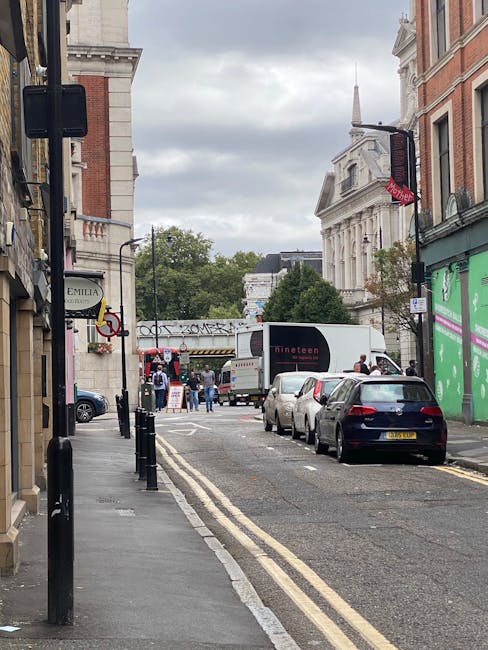
Picture a small family moving from a first-floor house near the Lyric Theatre area. The road is narrow, parking is limited, and there are already cars parked on both sides. At first glance, a large removal lorry looks like the "proper" solution. In practice, it would struggle to stop safely, and the loading bay would sit too far from the door.
The better plan is a smaller vehicle with a crew who know the area. They arrive early, confirm the best stopping point, and carry the larger items first while the street is still calm. Sofas are wrapped, mirrors are protected, and the boxes are split by room so unloading at the other end is quicker. The final result is not dramatic. No heroic speeches, no last-minute chaos. Just a move that works.
What made the difference? Three things: an honest access check, sensible vehicle choice, and an organised packing order. That is often all it takes. Not magic. Just competence, which is strangely underrated.
This kind of approach also links well with more focused moving support. For example, if the home contains larger pieces, furniture removals may need a more deliberate plan. If you are moving from a compact property, flat removals can be the better-fit service. Simple enough, really.
Practical Checklist
Use this before the moving team arrives.
- Confirm the exact moving date and arrival window
- Walk the street and identify the best loading point
- Measure doors, stairs, and furniture that may be difficult to move
- Separate fragile items and label them clearly
- Pack a first-night box with essentials
- Keep hallways, entrances, and stairwells clear
- Tell the mover about parking limits, access restrictions, and building rules
- Set aside any items that need specialist handling
- Check payment details and booking terms in advance
- Have a backup plan if the street is unexpectedly busy
Quick takeaway: if the street is tight, the winning move is not to force the situation. It is to plan around it, calmly and early.
Conclusion
Choosing a Lyric Theatre area house removals specialist for narrow streets is really about choosing control over guesswork. In compact London streets, the job is won or lost long before the first box is lifted. The best mover will know how to assess access, choose the right vehicle, protect your property, and keep the day moving without drama.
If you are comparing options now, focus on the basics: street access, vehicle size, experience with tight corners, and clear communication. Those details sound ordinary, but they are exactly what keep a moving day from becoming a headache. And if the move feels a bit daunting, that is normal. Most people feel that way right before the boxes start disappearing into the van.
Get a free quote today and see how much you can save.
With the right planning and the right team, even the narrowest street can feel manageable in the end. One good decision at a time.